HOSPITALITY
Wallpapers, rugs and textiles fit for high end hospitality projects. Each piece is tailored to our clients’ needs.
Artist Rugs
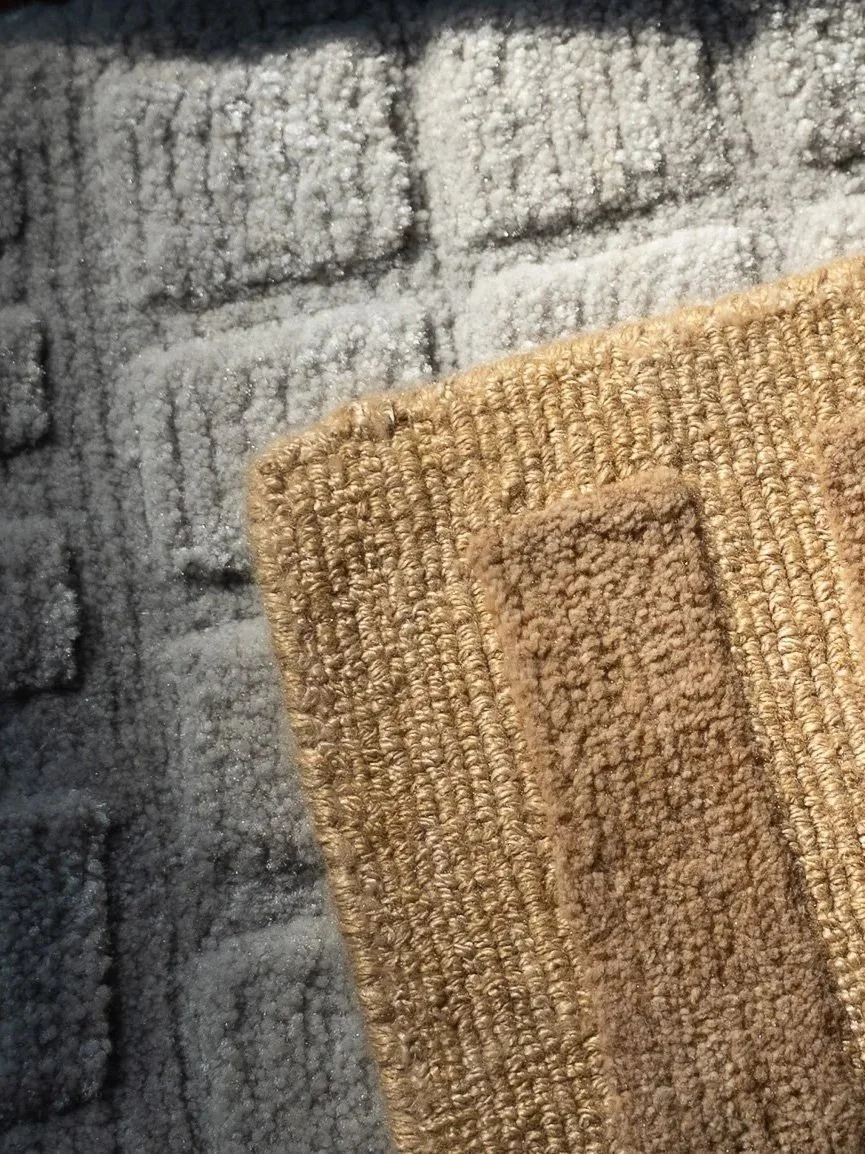
Each rug begins as a painting, sketched in our NYC studio, inspired by modern art, nature, and haute couture. Skilled artisans in Nepal then hand-knot every piece using fine Tibetan wool, silk, and mohair.
Drapery
Each rug begins as a painting, sketched in our NYC studio, inspired by modern art, nature, and haute couture. Skilled artisans in Nepal then hand-knot every piece using fine Tibetan wool, silk, and mohair.
Wallpaper
Each rug begins as a painting, sketched in our NYC studio, inspired by modern art, nature, and haute couture. Skilled artisans in Nepal then hand-knot every piece using fine Tibetan wool, silk, and mohair.
Artist Rugs: Materials
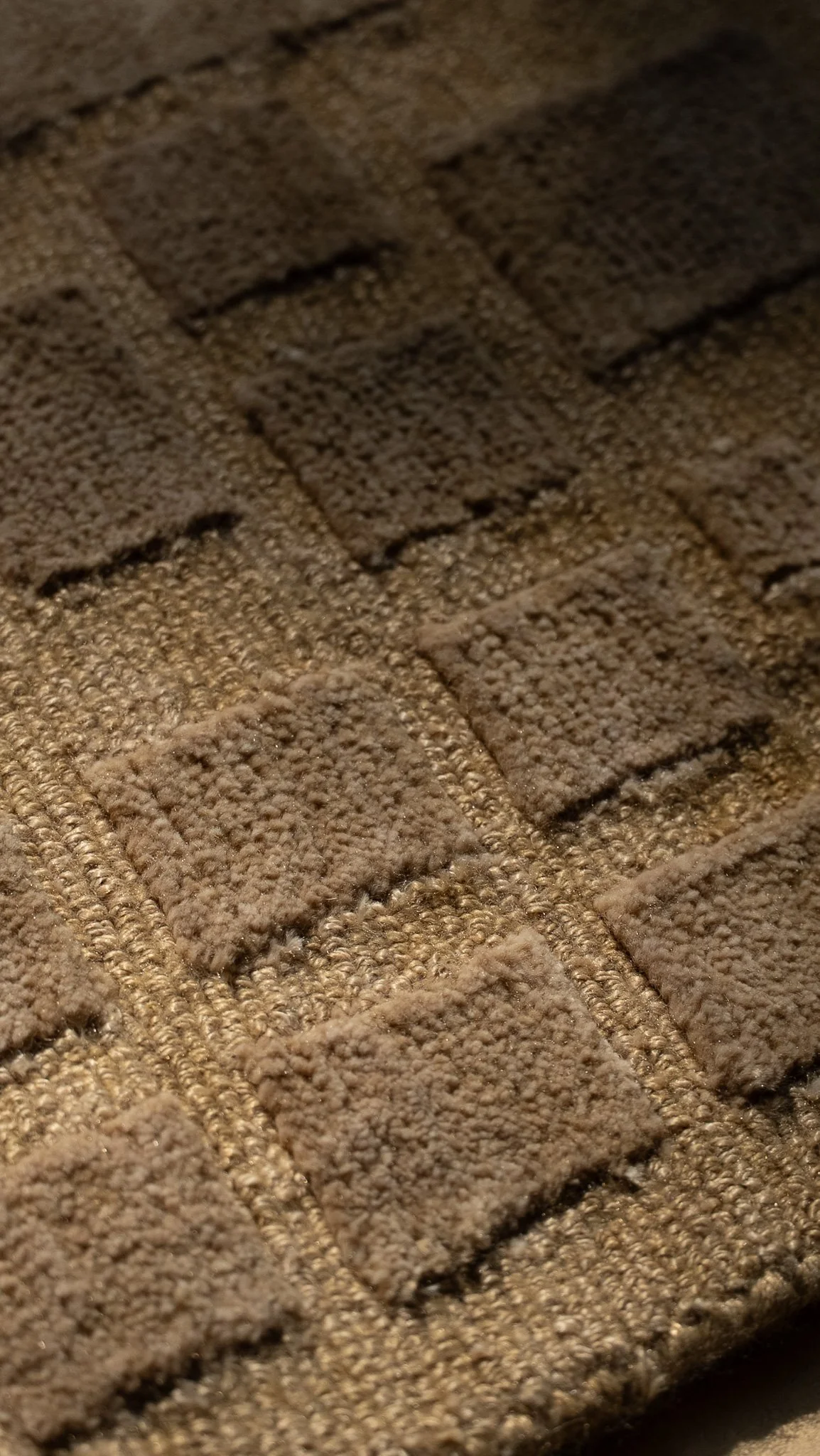
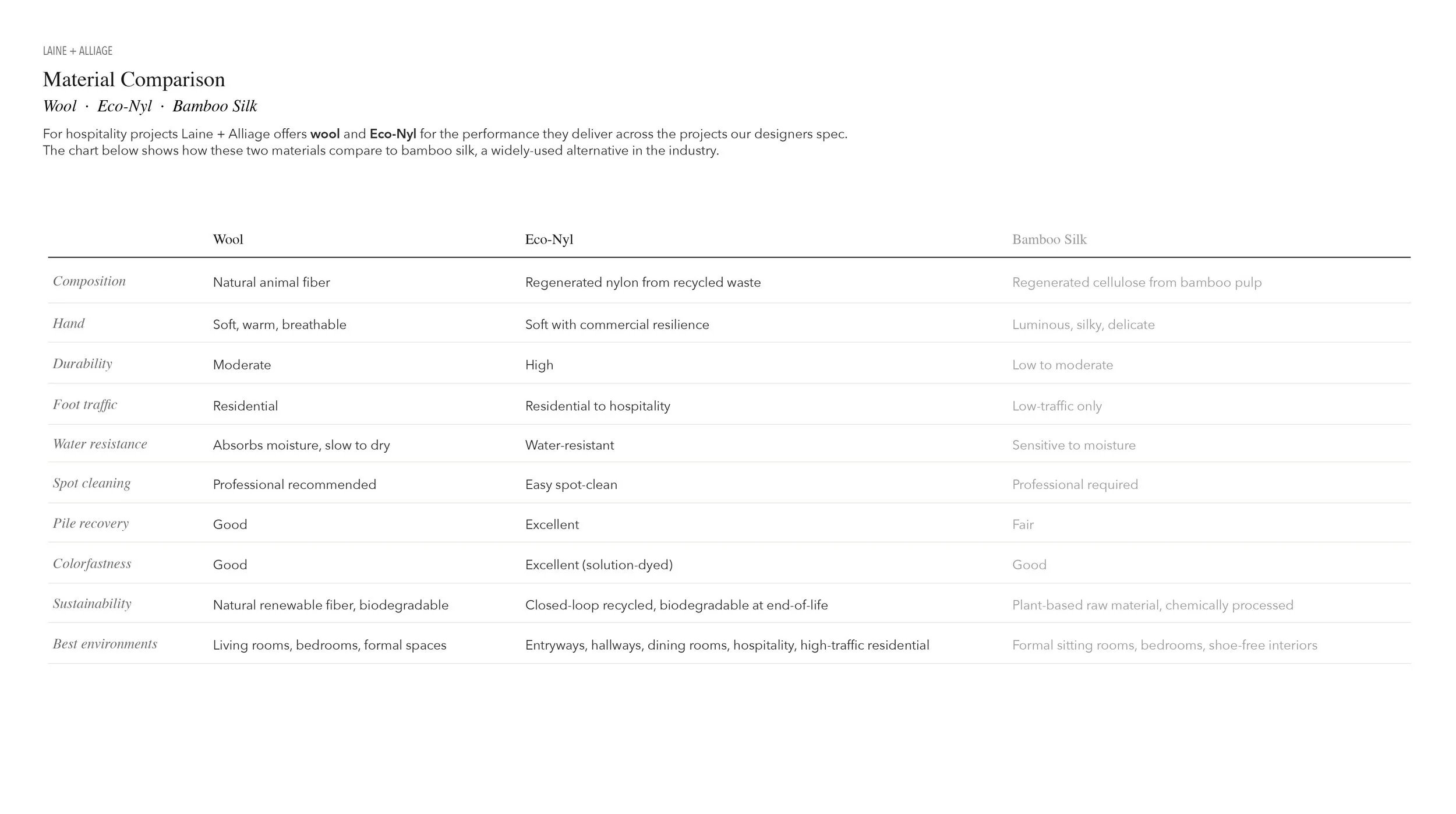
ECO-NYL
In 2011, Italian textile manufacturer Aquafil introduced ECONYL, a regenerated nylon produced entirely from waste. The breakthrough: a closed-loop system that recovers nylon from discarded fishing nets pulled from the ocean, industrial plastic scrap, and reclaimed carpet fiber, then regenerates it into new nylon with the same molecular structure as virgin material.
It took years of research and significant engineering investment to develop. The process depolymerizes nylon waste back to its original building blocks, then rebuilds it into high-performance fiber with no quality loss. The result is a material that performs identically to virgin nylon while diverting waste from oceans and landfills.
For custom rug applications, Eco-Nyl offers something no natural fiber can: commercial-grade durability combined with a soft, luxurious hand, plus a traceable sustainability story. It is engineered for the demands of real-world installations without compromising the design integrity that defines Laine + Alliage’s work.
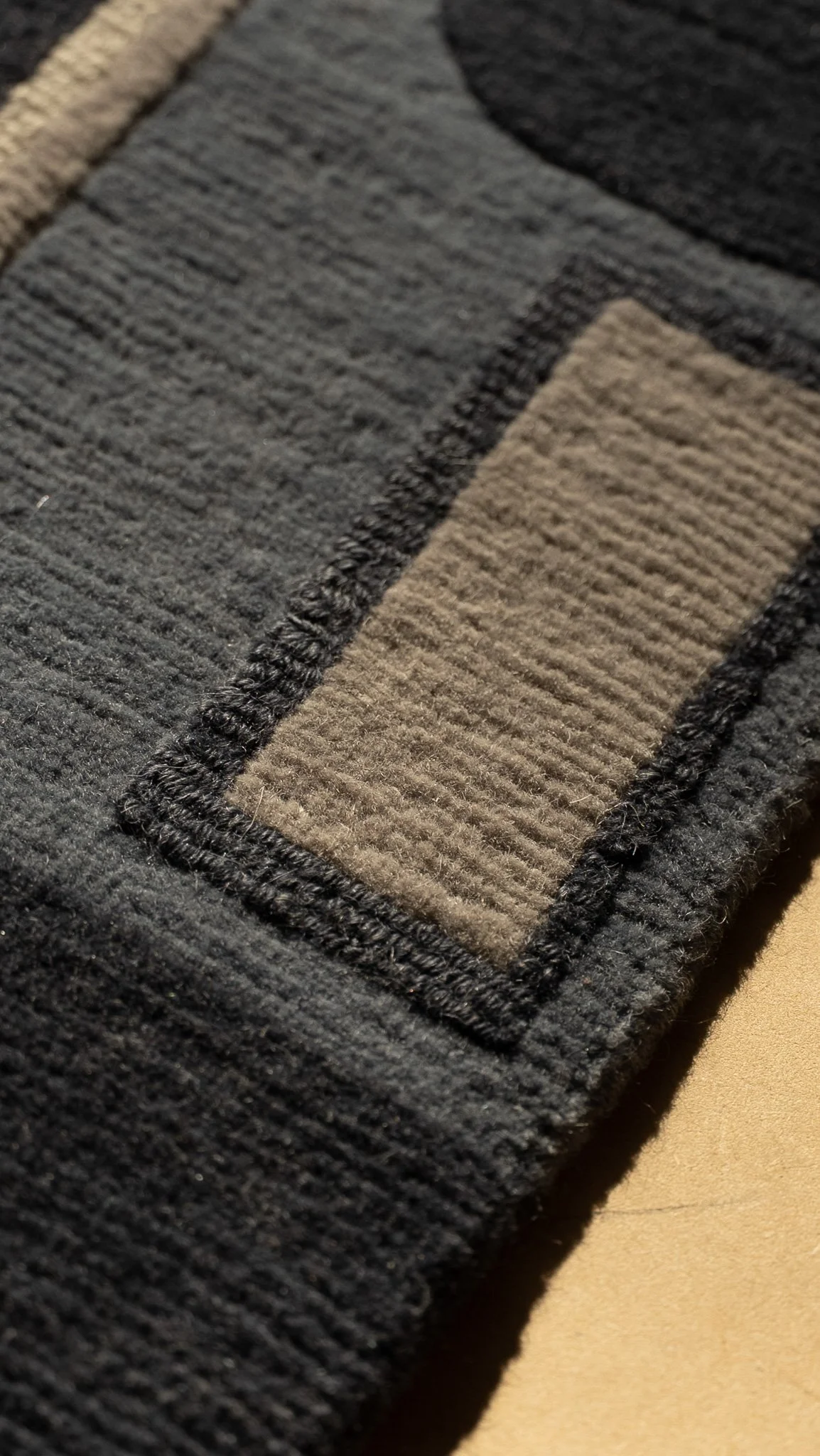
TIBETAN WOOL
The Tibetan Highland sheep has grazed the plateaus of the Himalayas for over a thousand years. At altitudes exceeding 14,000 feet, in temperatures that regularly drop below zero, these sheep developed a wool shaped by their environment: long-staple fibers with exceptional lanolin content, built to withstand the extremes.
The long fibers produce yarn that resists shedding, matting, and crushing. The high lanolin content provides natural stain and water resistance before any treatment is applied. The wool takes dye deeply and holds its color for generations.
Tibetan wool is the fiber of hospitality’s longest-lived installations. Monasteries across the Himalayan plateau still house hand-knotted Tibetan wool carpets that have been underfoot for centuries. The same qualities translate directly to modern hospitality: a surface that absorbs wear instead of showing it, develops character over decades, and holds up to the daily demands of restaurants, hotels, and high-traffic residential installations. It is the natural fiber at the foundation of Laine + Alliage’s hand-knotted work.
Artist Rugs: Techniques
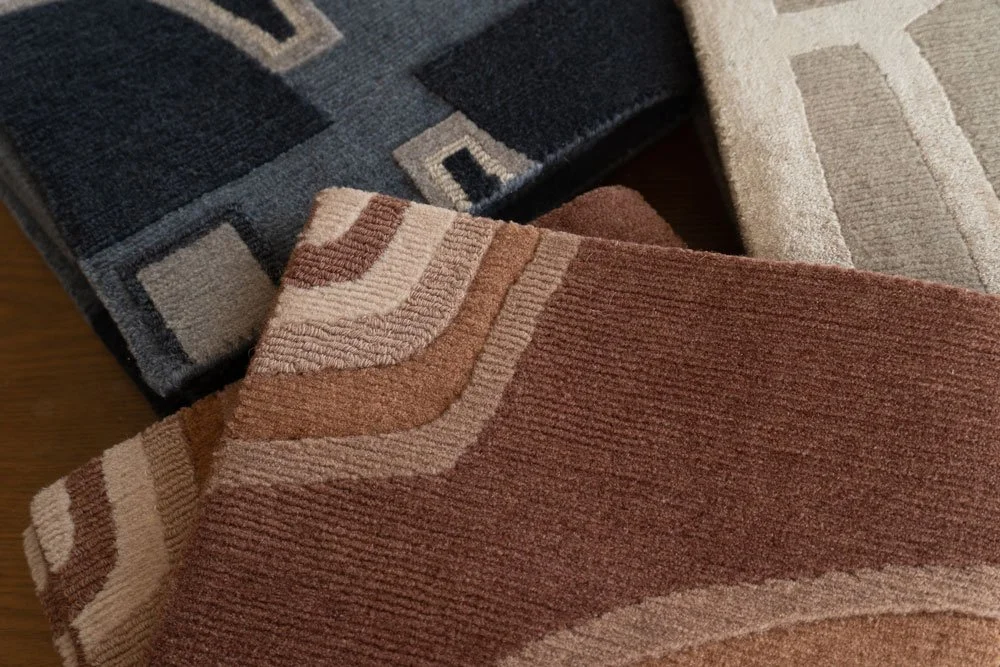
HAND-KNOTTED
Each knot tied individually on a hand-operated loom in our Nepal atelier. The construction that defines our most considered pieces, in the oldest tradition of textile craft. Lead time from 10 weeks, depending on scope. Pricing reflects 100-knot construction.
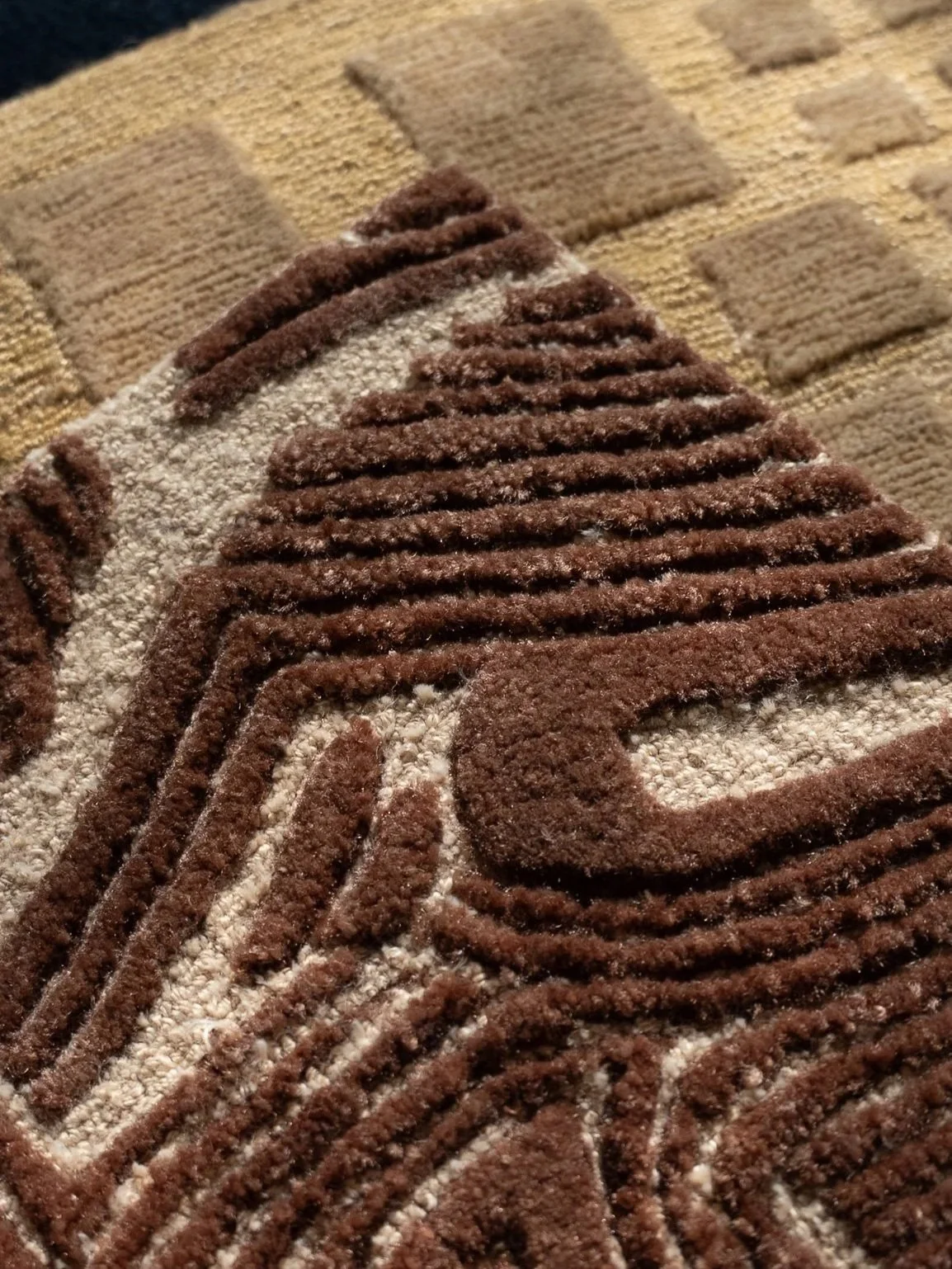
HAND-TUFTED
Hand-pushed pile through a woven backing. The construction that lets us execute larger scales while keeping production fully by hand. Shorter lead times than hand-knotted construction. More flexible pricing on larger pieces.
Drapery: Materials
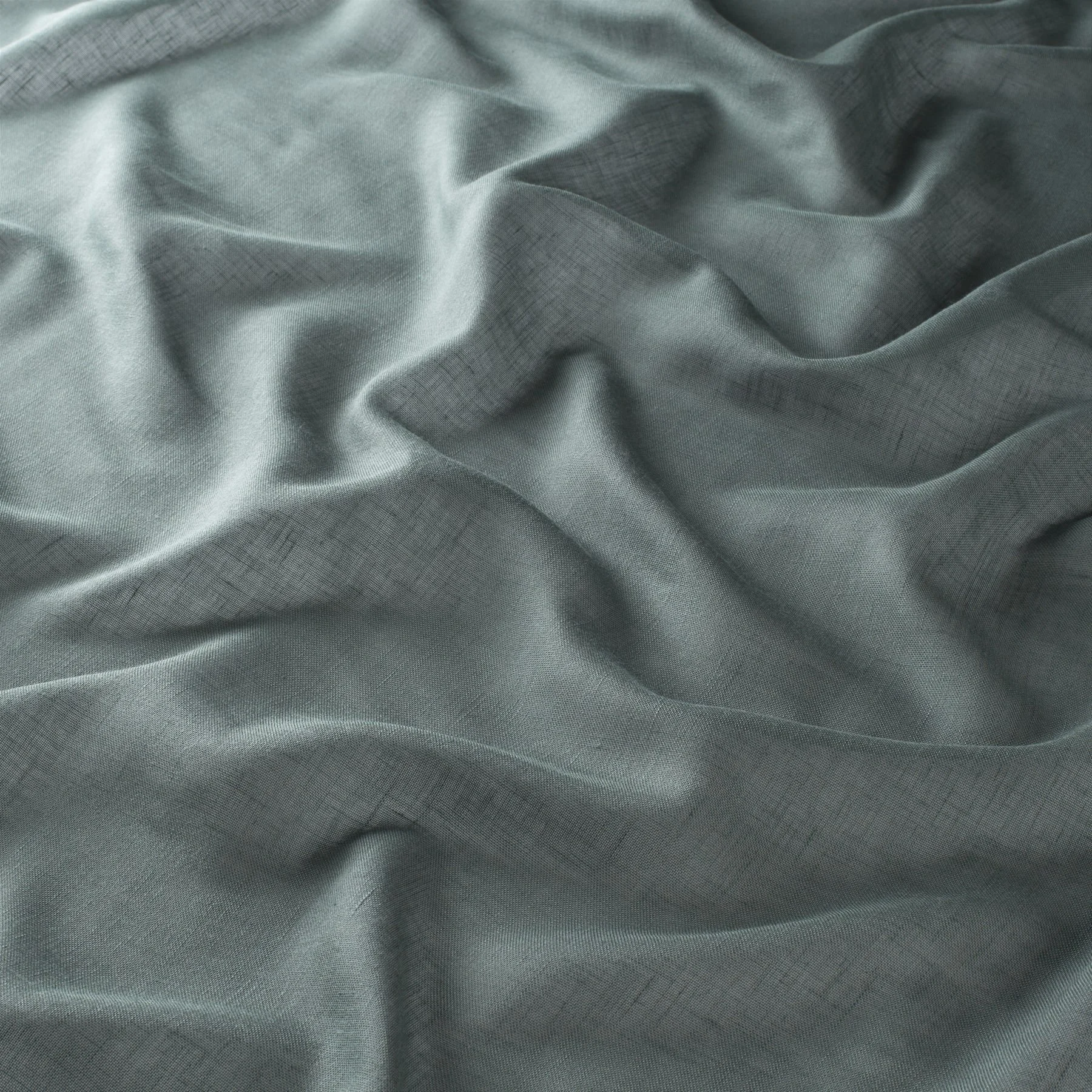
CONTRACT GRADE TEXTILES
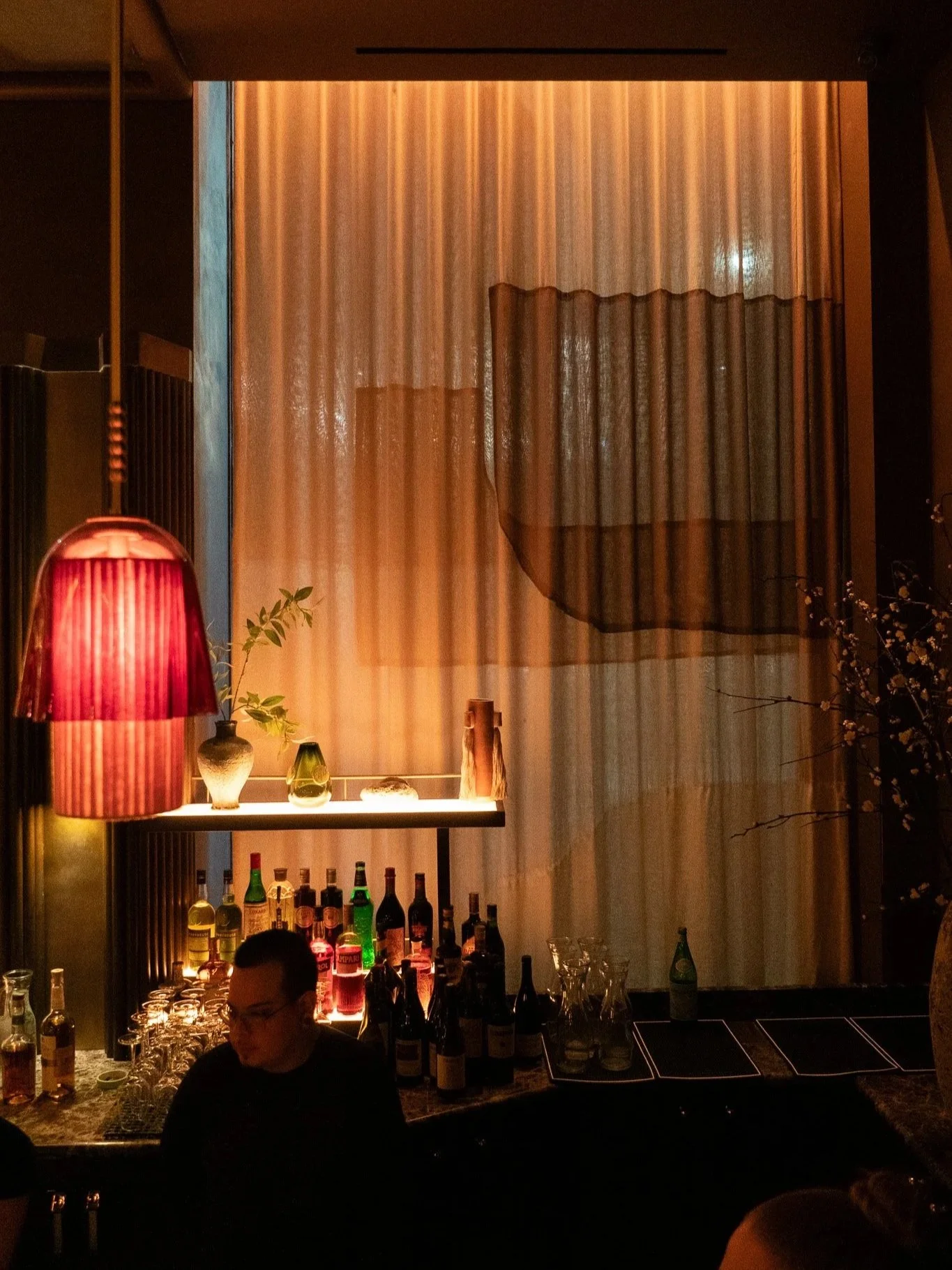
Contract-grade polyester linen is engineered for drapery in high-performance environments: hospitality, high-traffic residential, custom window treatments where longevity matters. Developed by European textile mills, it combines the hand and visual texture of pure linen with the dimensional stability and durability of advanced synthetic fibers.
Unlike natural linen, which can stretch, warp, and fade over time, contract-grade polyester linen holds its shape across years of use and resists UV degradation in sun-exposed installations. The fibers can be woven across varied weights, textures, and sheer-to-opaque opacities. Many contract textiles are available inherently fire-resistant, meeting hospitality and commercial safety codes without additional treatment.
We work with select European contract textile houses to source drapery that meets the demands of real-world installations without compromising on hand or appearance. For each custom commission, we specify fabric by project: weight, opacity, color, and fire rating selected to match the space’s conditions and the client’s design intent.
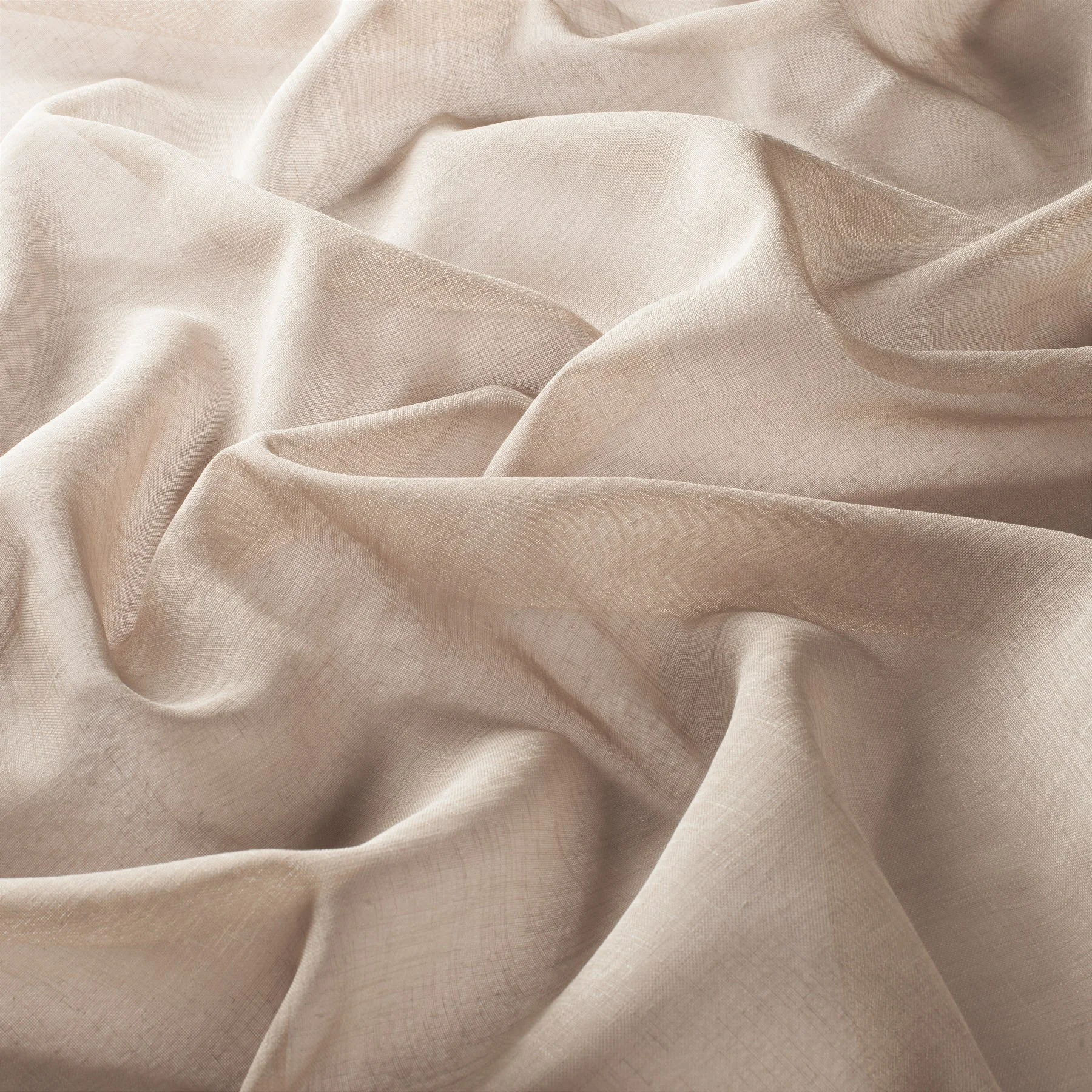
FLAME RETARDANT TREATMENTS
Flame retardant treatment is a specialized process that makes fabric self-extinguishing. The treatment slows ignition, prevents flame spread, and allows the fabric to meet commercial fire safety codes required for hospitality, assembly spaces, and installations near heat sources.
Treatment can be inherent (fire resistance built into the fiber during manufacturing) or applied (a chemical treatment bonded to the fabric after weaving). Both methods are tested and certified to meet code requirements. The treated fabric retains its hand, drape, and appearance while clearing the thresholds required for commercial installation.
Flame treatment opens applications that would otherwise be unsafe: fabric panels near HVAC systems, drapery in commercial spaces, and custom lighting pieces where fabric wraps close to heat sources. For a recent custom chandelier commission, we specified fire-treated fabric throughout, allowing the piece to install safely while preserving the material’s intended drape and color.
Drapery: Technique
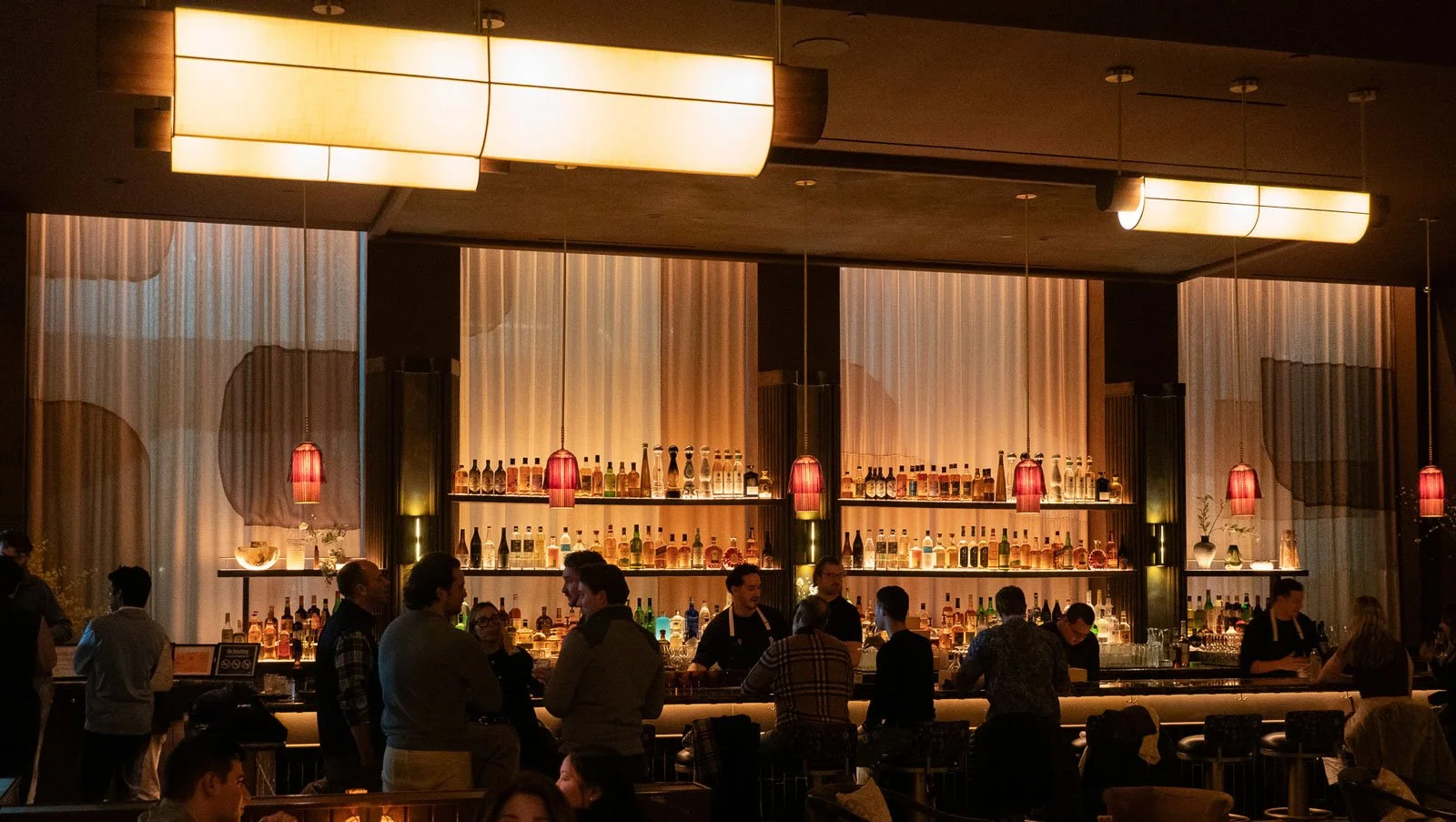
DECOUPAGE
Découpage means cut-out in French, and Laine + Alliage interprets this by creating a technique in which hand-cut appliqués are sewn to produce unique and beautiful compositions.
All our Découpage projects are commission based. We collaborate with designers on color palettes, fabrics, scale and composition.
Wallpaper: Materials
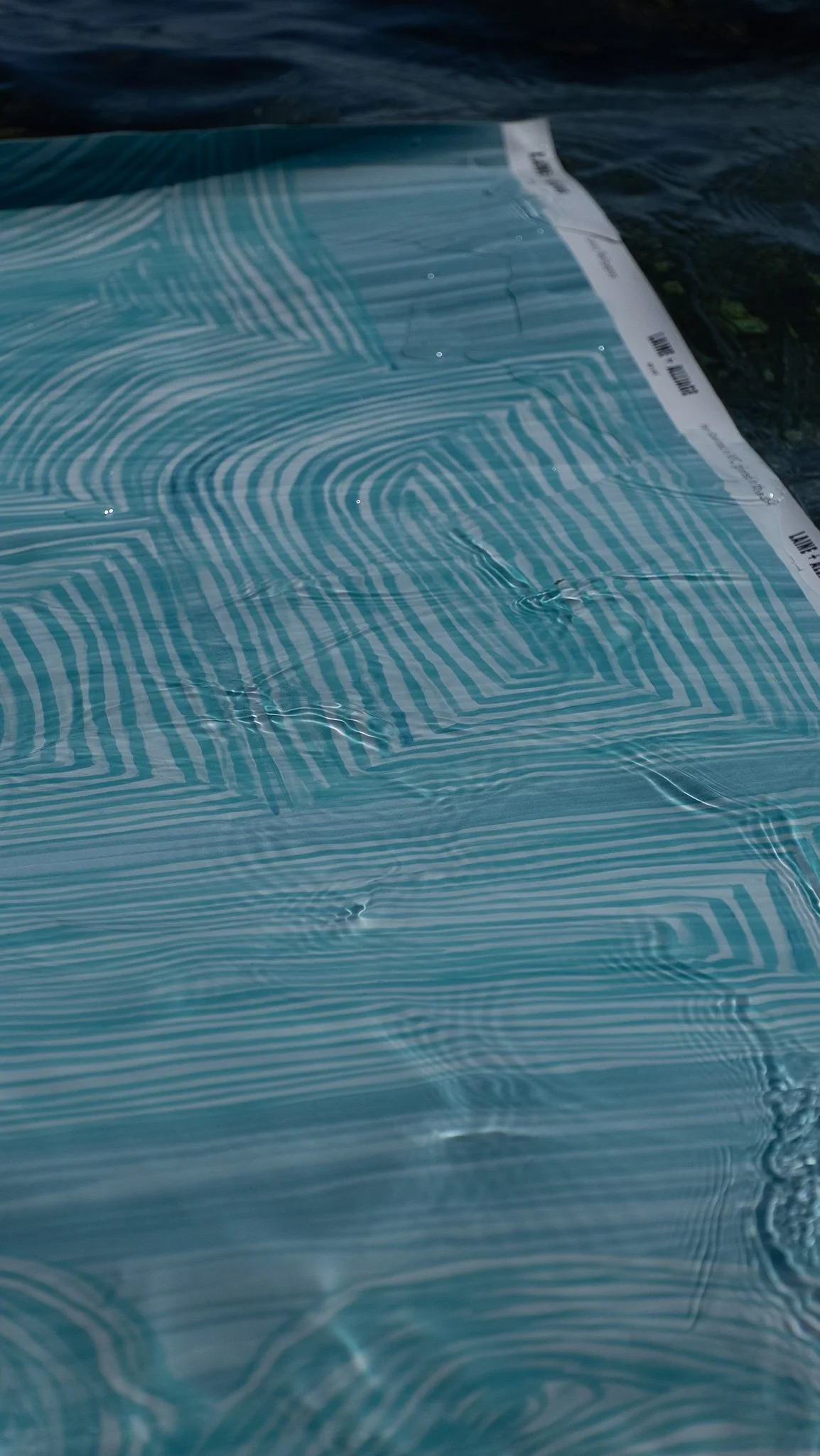
TYPE II
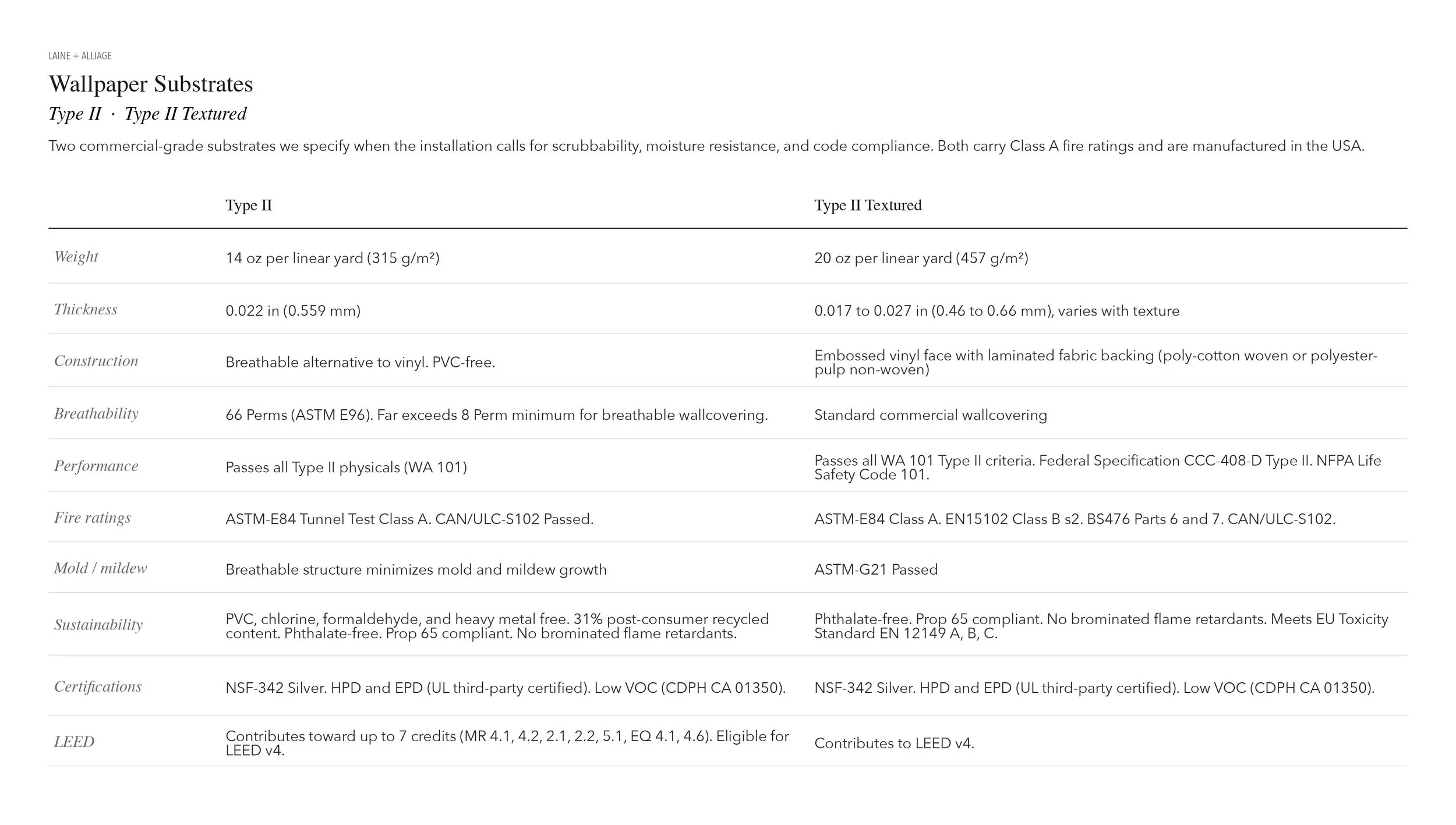
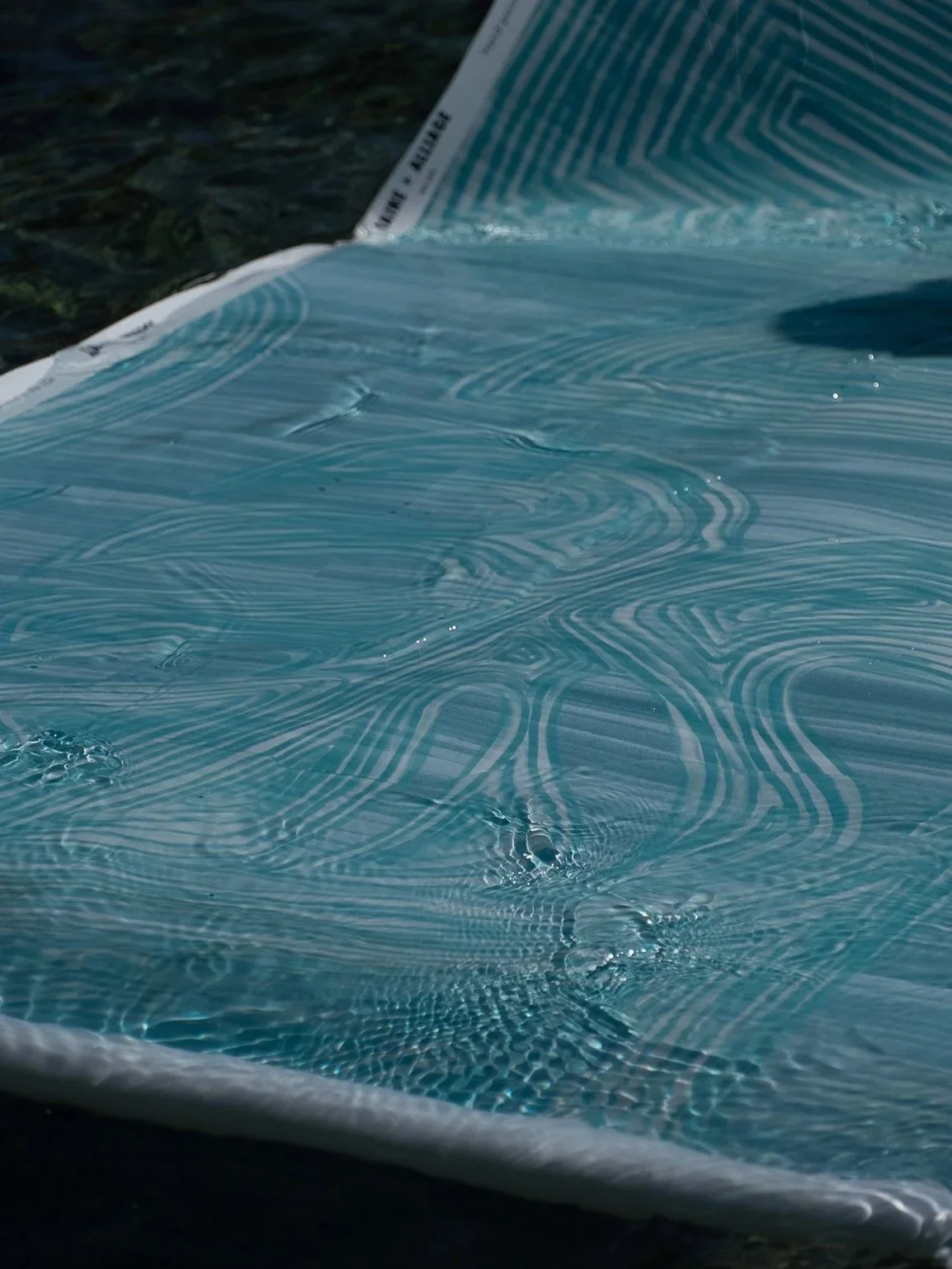
Type II is the commercial-grade wallcovering substrate we specify when the installation calls for scrubbability, moisture resistance, and the ability to withstand sustained use. Our hand-drawn designs are printed on Type II for restaurants, hotels, high-traffic residential, and any environment where the wallpaper has to meet commercial code compliance.
What distinguishes our Type II from standard commercial vinyl is its breathable structure. The substrate allows moisture to transfer through the wall rather than trapping it behind a vapor barrier, minimizing the risk of mold and mildew in warm, humid environments. It contains no PVC, no chlorine, no formaldehyde, and no heavy metals, and is manufactured with 31% post-consumer recycled content.
For modern hospitality installations, Type II delivers the design integrity of hand-drawn wallpaper with the performance required for daily commercial use. It carries a Class A fire rating, meets Washington 101 Breathable Wallcovering standards, and can contribute toward up to 7 LEED credits.
TYPE II TEXTURED
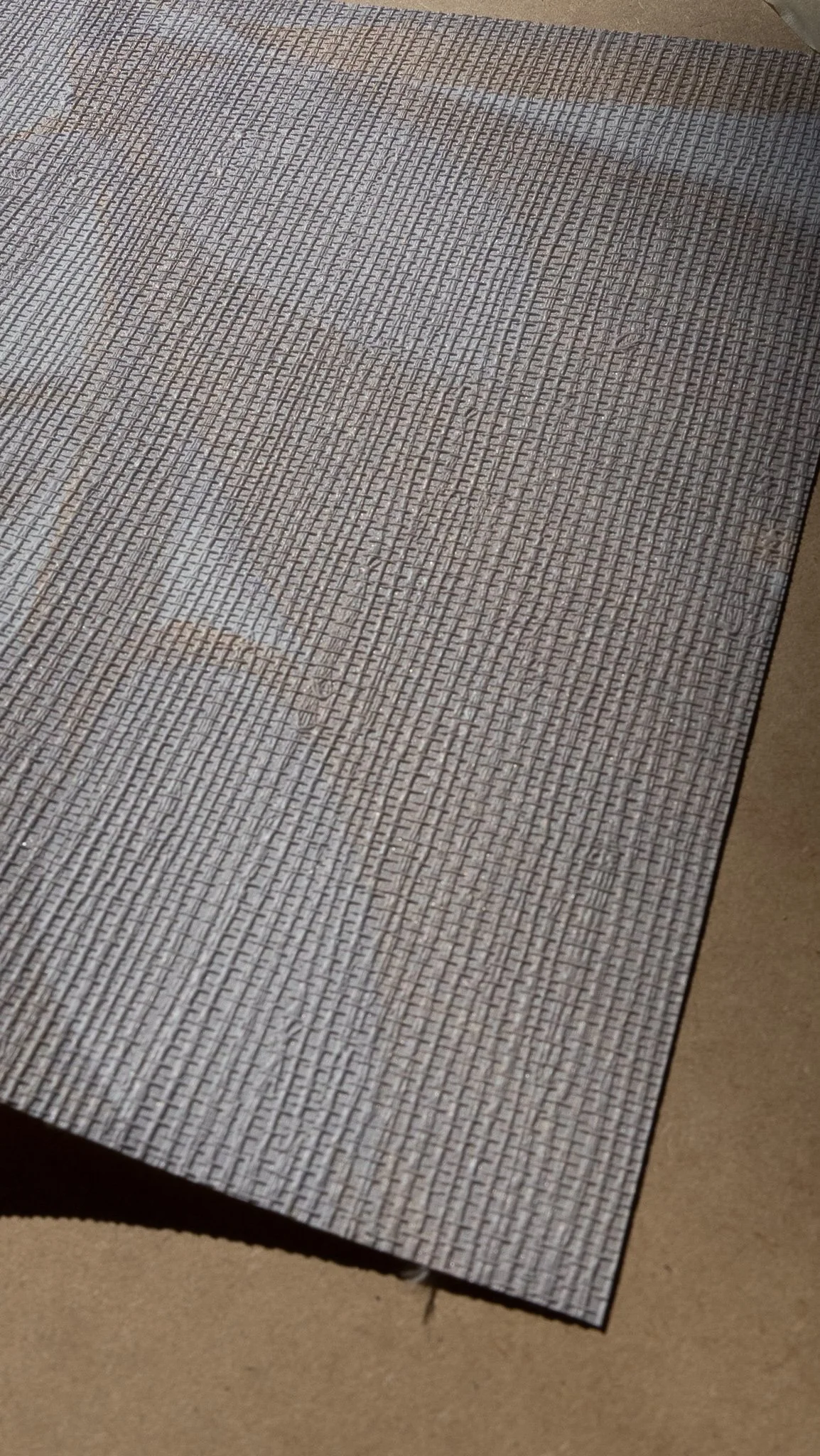
Type II Grasscloth is the textured hospitality-grade substrate we specify when designers want the organic look of natural grasscloth with the durability of commercial wallcovering. The surface is embossed to echo the woven texture of natural fiber substrates, backed by a Type II construction engineered to withstand hospitality-level use.
The substrate weighs 20 ounces per linear yard, nearly 40% heavier than our base Type II, with a textured surface that reads as natural grasscloth from a distance and holds up to daily commercial use. The embossed vinyl face is laminated to a poly-cotton woven or polyester-pulp non-woven backing, chosen based on the embossing pattern.
For hospitality projects where designers want natural fiber aesthetic without compromising on durability, cleaning, or code compliance, Type II Grasscloth is the substrate that bridges the two. It meets Federal Specification CCC-408-D Type II, carries a Class A fire rating, and passes international standards for commercial wallcovering installation.
Rug Specifications
Wallpaper Specifications